
If you are wondering how to choose the right hospital bed for your facility, start with two things: the care setting and the daily routine around the bed. The bed that works in one unit may not suit another. Room size, transfer routines, adjustment needs and the people who will use and maintain the equipment all matter. Ask your clinical, facilities and purchasing teams to help shape the shortlist.
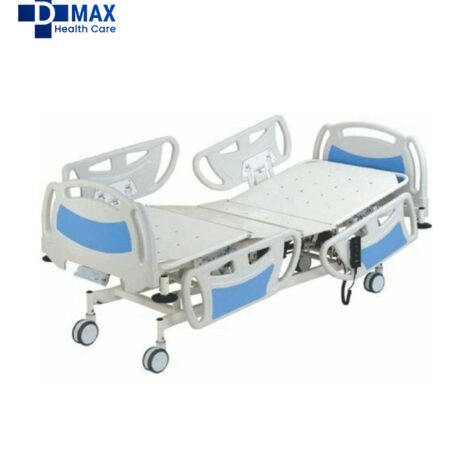
Begin with the space and the daily routine
Take a look at the room before comparing models. Measure the space around the bed, then check the route through doorways, lifts and corridors. Think about how staff approach the bed, what needs to move around it, and whether it will need to be repositioned during the day. These practical details can quickly narrow the options.
It also helps to ask the people who will use and maintain the bed what they need most. Which adjustments are part of the usual routine? What has been awkward with the current setup? A short list of real day-to-day needs is more useful than a long list of features that may never be used.
Compare bed types and exact model features
Manual, Fowler, semi-Fowler and ICU beds serve different facility needs, and product names only give you a starting point. Functions, controls, dimensions and included accessories can vary from one model to another. Compare the manufacturer’s details for the exact bed you are considering.
- Manual beds: Check how adjustments are made and whether the mechanism fits the way staff work.
- Fowler and semi-Fowler beds: Compare the stated positions, adjustment method and panel or accessory options. For example, review the Fowler Bed With ABS Panel DM-138 specifications.
- ICU or other specialist models: Confirm the listed functions and accessory compatibility for the unit where the bed will be used. The ICU Bed DM-142 product page is one model to compare against your requirements.
Check access, safety and compatibility
Before ordering, confirm the bed’s dimensions, stated safe working load, adjustment range, castors and braking system. Check whether the side rails, mattress and other accessories you need are included or sold separately. Ask the supplier for model-specific documents, and have your clinical and facilities teams confirm that the equipment fits your site’s requirements and procedures.
If staff need to move the bed between rooms, check the full route, not just the space beside it. A bed can fit in a room and still be difficult to manoeuvre through a doorway or lift.
Think about cleaning and upkeep
Ask how the frame and surfaces should be cleaned, and follow the care instructions supplied with the model. It is also useful to know what routine checks are recommended, which parts may need attention over time, and how service requests are handled. These answers help your team plan for the full life of the equipment, not just delivery day.
Compare the full cost and support
Look beyond the quoted purchase price. Ask what is included, whether delivery or installation has a separate cost, what the warranty covers, and how replacement parts or servicing are arranged. A written quotation with the model name, specifications, accessories and delivery terms makes it easier to compare suppliers fairly.
A quick hospital bed buying checklist
- Match the bed type to the unit’s day-to-day needs.
- Measure the room and the route the bed must travel.
- Check exact dimensions, functions, safe working load and included accessories.
- Review cleaning instructions, maintenance and warranty terms.
- Confirm delivery, installation and after-sales support in writing.
Build the shortlist with your team
There is no single hospital bed that fits every facility. Start with your team’s needs, compare the specifications for individual models, and ask questions before you order. You can browse the D-Max Healthcare hospital bed range or contact the team for product details and a quotation.